
Ross Brawn brings F1 insight and experience to Wilton Legends – Friday June 19
Words:
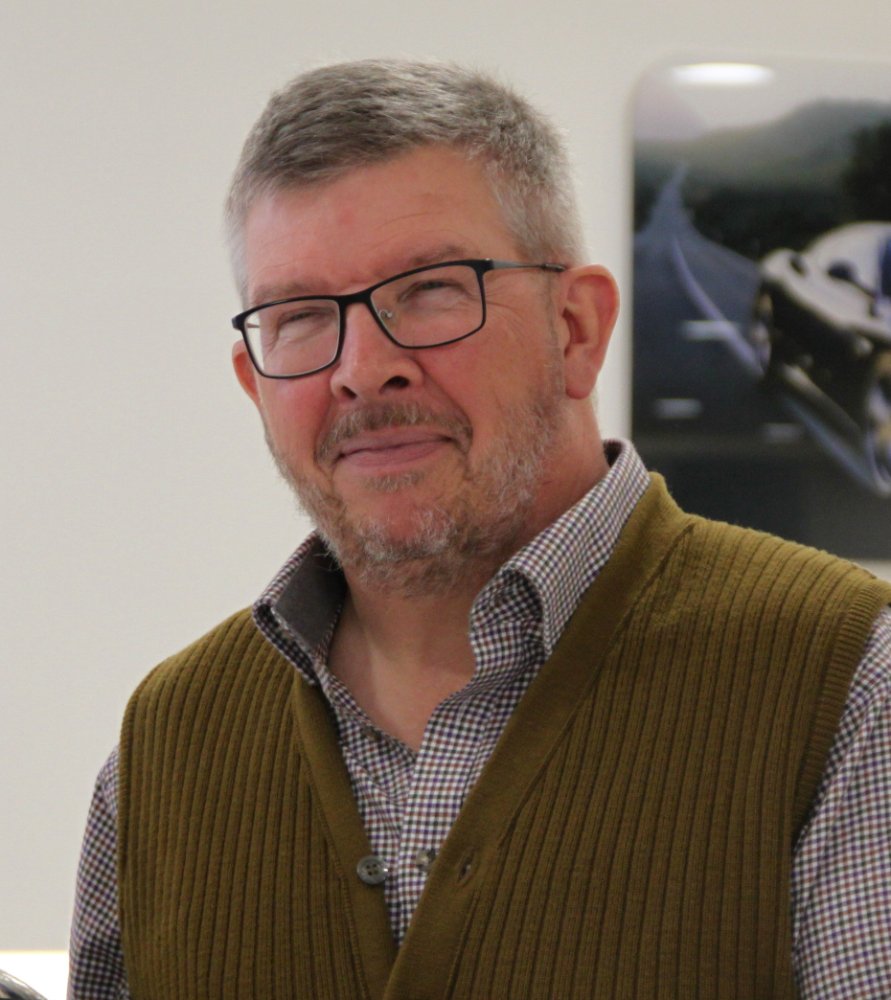
A key figure behind some of Formula 1’s greatest successes, Ross Brawn will be a featured presence at this year’s Wilton House Wilton Legends. Known for his calm approach and sharp technical mind, Brawn built a reputation for making the right calls at the right time, leading to spectacular success across a number of F1 teams.
He began his career far from the spotlight of Formula 1, completing a mechanical engineering apprenticeship with United Kingdom Atomic Energy Authority at Harwell. The role gave him a strong grounding in precision engineering and problem solving, skills that would underpin his later success. From there, he moved into motorsport with March Engineering, gaining hands-on experience across a range of racing categories and developing a practical understanding of car design and race operations.
His move into Formula 1 came with Williams F1 Team, followed by a more senior technical role at Benetton Formula. It was there that his partnership with Michael Schumacher began to define his career. As technical director, Brawn helped guide Benetton to consecutive Drivers’ Championships in 1994 and 1995, combining strong engineering with clear strategic thinking on race weekends.
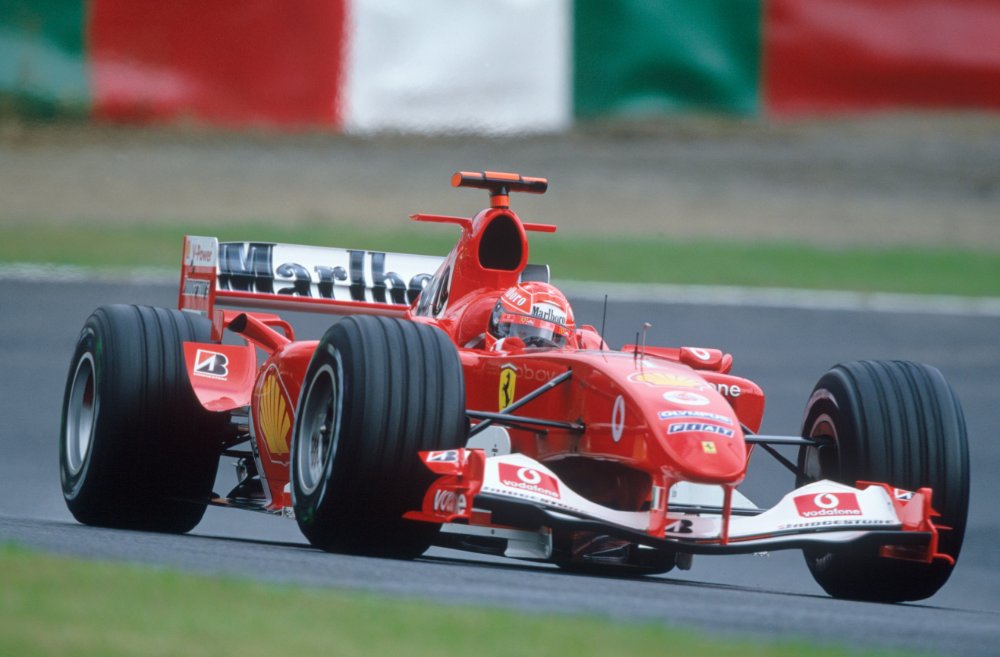
That partnership continued at Scuderia Ferrari, where Brawn joined alongside Jean Todt and later reunited with Rory Byrne. When they arrived, Ferrari had not won a Drivers’ Championship in nearly two decades. Building a competitive structure took time, but Brawn played a central role in shaping both the technical direction of the cars and the operational discipline of the team.
By the early 2000s, that effort translated into sustained success. Ferrari secured a run of consecutive Drivers’ and Constructors’ Championships between 2000 and 2004, with Schumacher at the wheel. Brawn’s role on the pit wall became a defining feature of that era, with his strategic decisions, particularly around pit stops and race management, often decisive. Beyond individual races, he was instrumental in creating a cohesive working environment, aligning engineering, strategy and driver performance into a consistently effective whole.
After stepping away from Ferrari at the end of 2006, Brawn took a short break from the sport before returning with Honda Racing F1 Team in 2008 as team principal. The team had struggled for competitiveness, but Brawn focused on restructuring its technical organisation and sharpening its direction. While results on track were limited that season, much of the groundwork was being laid behind the scenes.
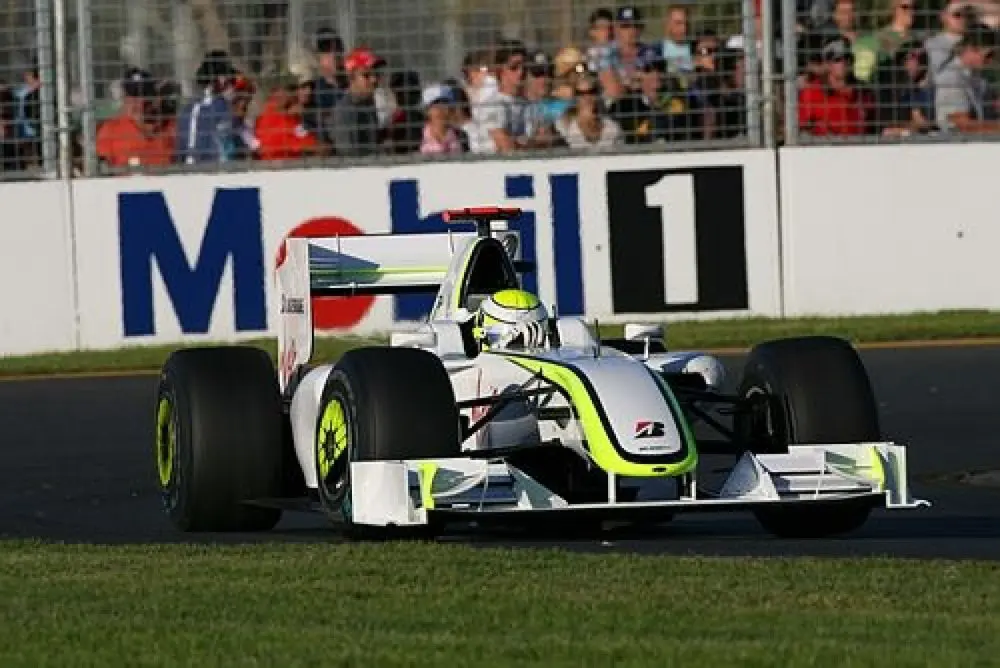
That work proved crucial when Honda withdrew from Formula 1 at the end of 2008. Brawn led a management buyout of the team, securing its future and overseeing its transition into Brawn GP. With a car that had been developed under the previous structure but refined under his leadership, the team arrived in 2009 unexpectedly competitive.
Despite limited time and resources, Brawn GP went on to win both the Drivers’ Championship with Jenson Button and the Constructors’ title in its only season, one of the sport’s most unlikely achievements and a direct result of the work done during that transitional period.
He later moved into a wider role with Formula 1 Group, helping guide the sport’s technical direction and long-term development. Bringing together engineering know how with clear thinking and leadership, Brawn offers a perspective shaped by decades at the top of the sport, making him a compelling addition to the conversations at Wilton House.